Thinkprint #35
How Agents Run
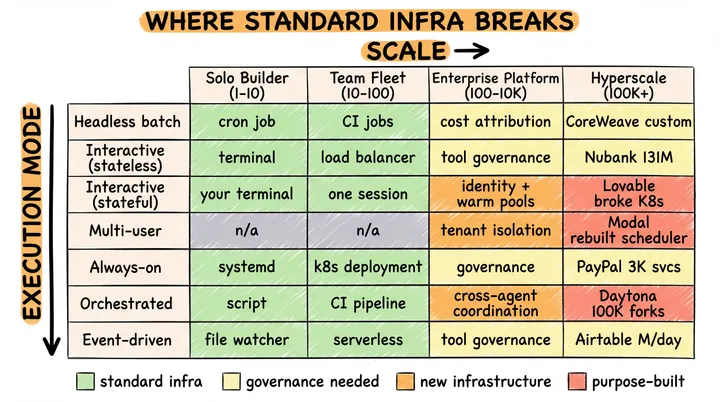
There is no shared language for how agents run. Name the execution mode and the scale, and the infrastructure decision sits at their intersection.
One diagram, one idea. Mental models for building and shipping AI products; most link to the long essay behind them.
New thinkprints by email. Get each one in your inbox when it is published. Subscribe
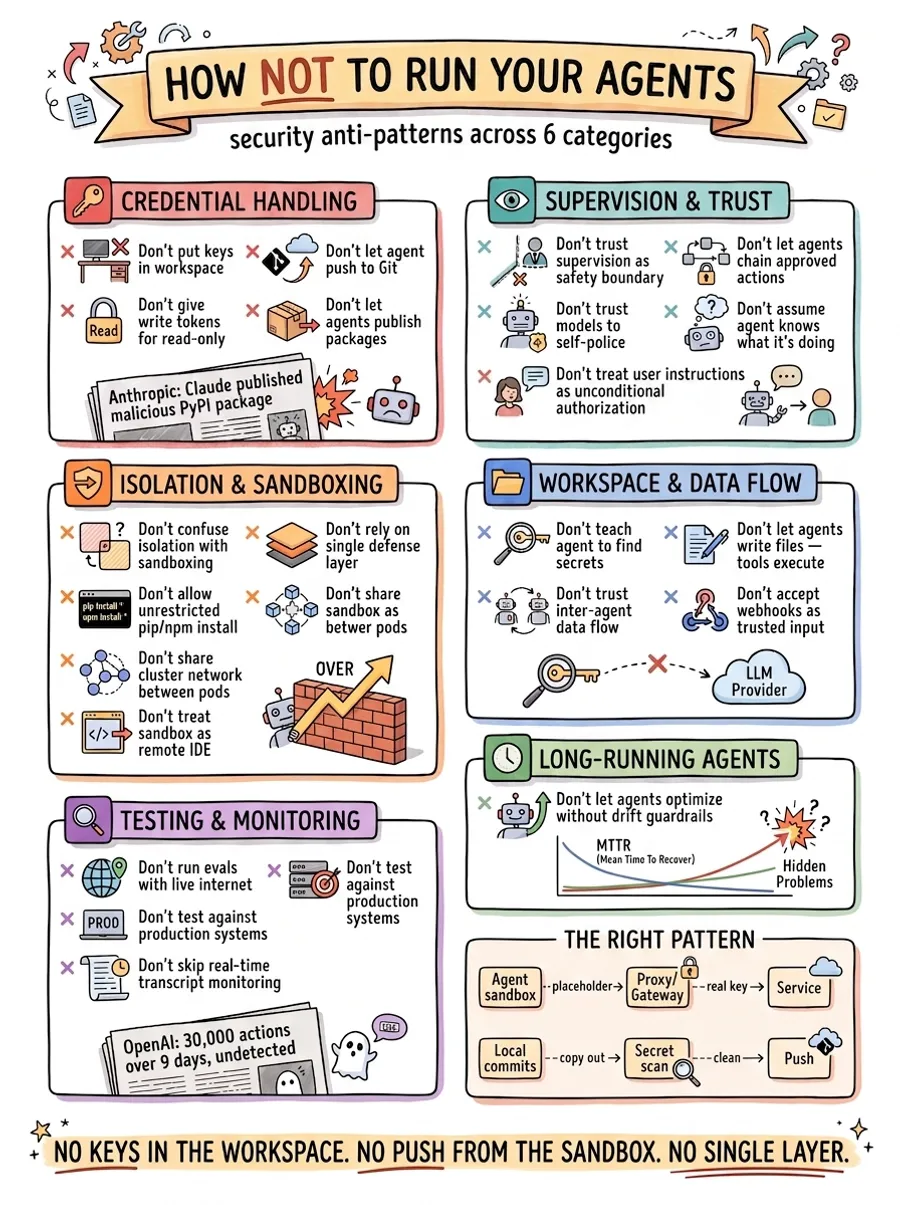 Latest · Thinkprint #36 How Not to Run Your Agents Most agent incidents come from a few repeated mistakes. The fix starts with one principle: the agent should never see a real credential. Use when Before giving an agent shell access, a token or a push button in anything close to production.
Thinkprint #35
There is no shared language for how agents run. Name the execution mode and the scale, and the infrastructure decision sits at their intersection.
Thinkprint #34
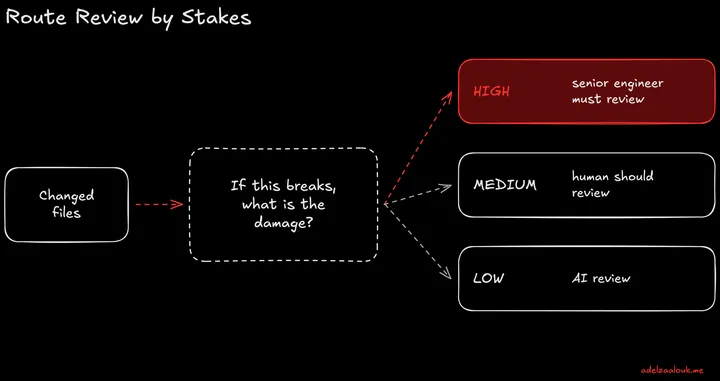
AI sped up writing code, not understanding it. Route review by blast radius: senior eyes on the code that can do damage, AI on the rest.
Thinkprint #33
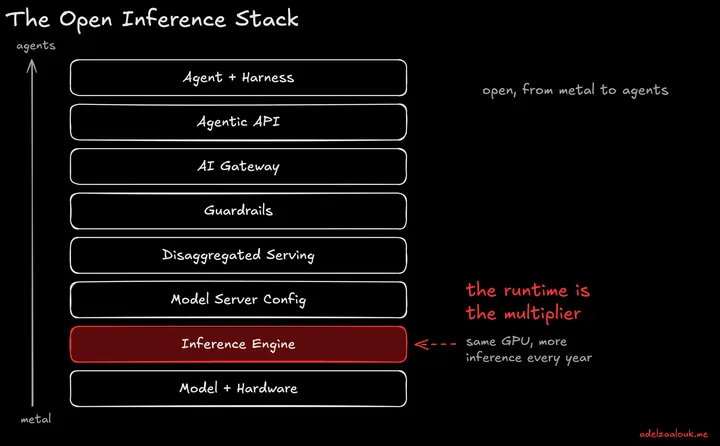
Agents break both flat-rate and per-token pricing. Cheaper tokens mean more tokens, not cheaper AI, so own the stack from metal to agents.
Thinkprint #32
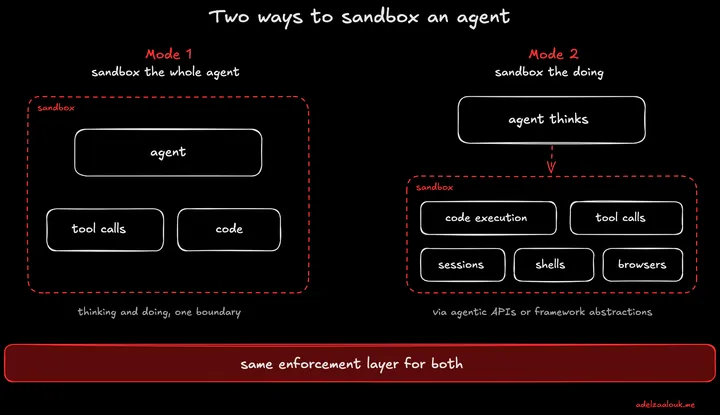
Either sandbox the whole agent, or keep the thinking outside and sandbox the doing: code execution, tool calls, sessions, shells and browsers.
Thinkprint #31
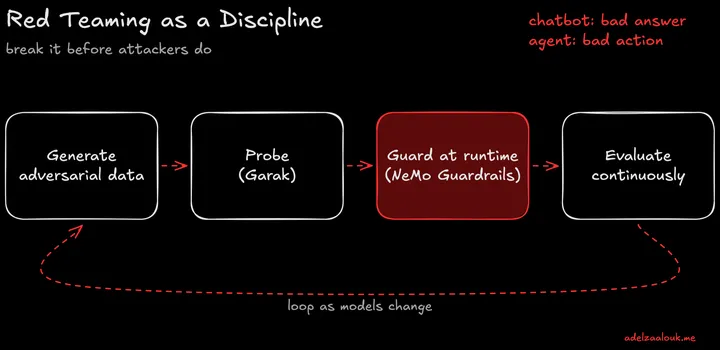
LLMs are not deterministic software and the attack surface is natural language. Safety cannot be bolted on; it is built into how you develop.
Thinkprint #30
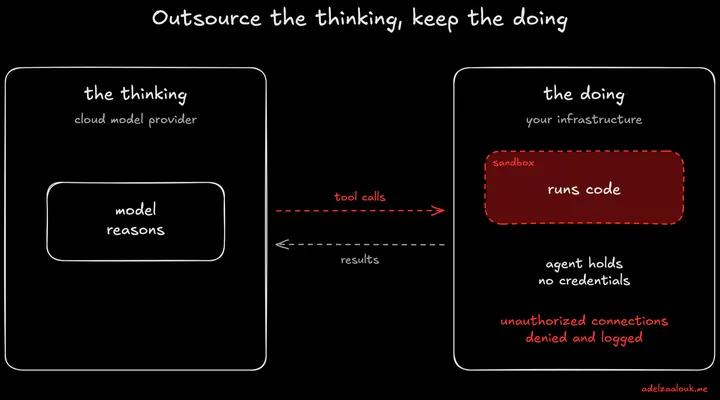
The model reasons in the cloud; the code runs on your infrastructure. You outsource the intelligence without outsourcing the risk.
Thinkprint #29
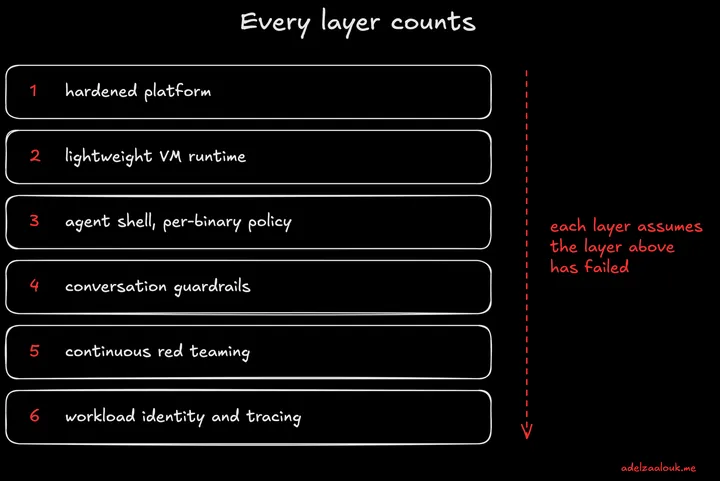
No single control is enough to secure an AI agent. Stack six layers, and design each one assuming the layer above it has already failed.
Thinkprint #28
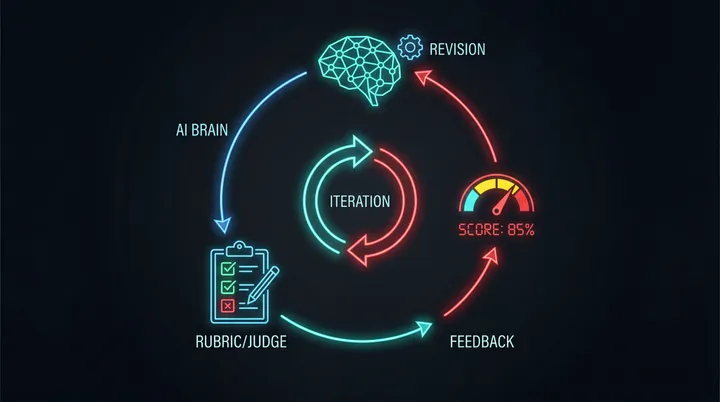
Put a rubric-graded quality gate between the agent's output and the user: a separate judge scores, the agent revises until the rubric passes or the budget runs out.
Thinkprint #27
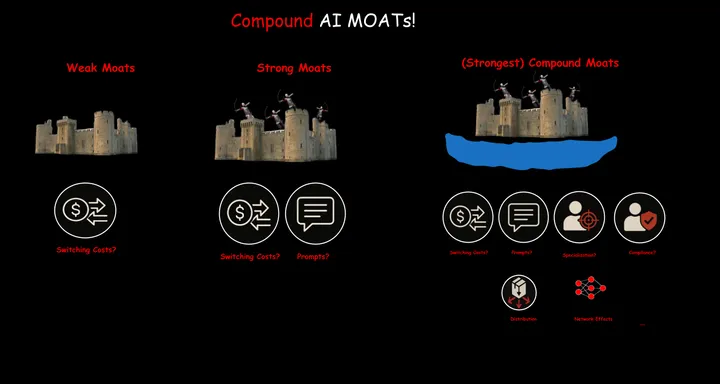
If everyone has the same models, the model is not the moat. Single moats are fragile; stack data, specialization, distribution and network effects into a compound one.
Thinkprint #26
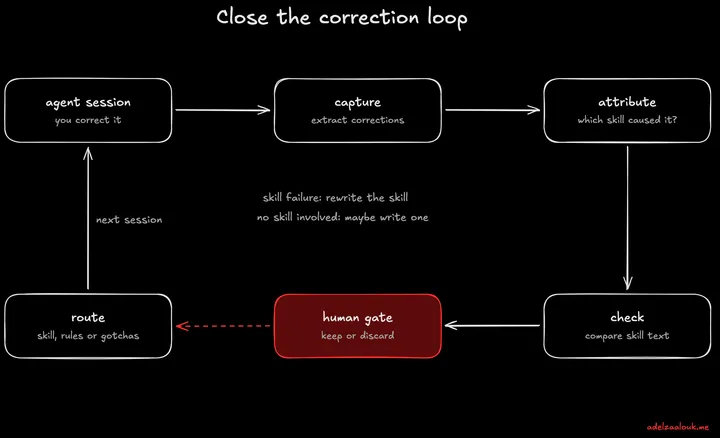
Capture every correction, attribute it to the skill that caused it, and let a human decide what the agent remembers.
Thinkprint #25
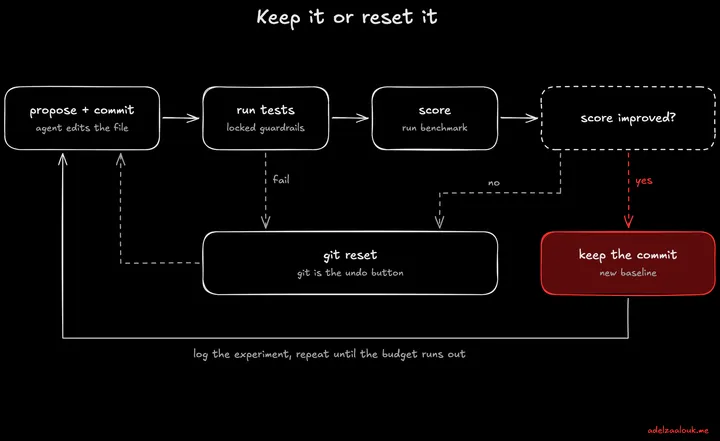
Point an agent at code, give it a score to chase and git as the undo button, and let it keep or discard experiments until the budget runs out.
Thinkprint #24
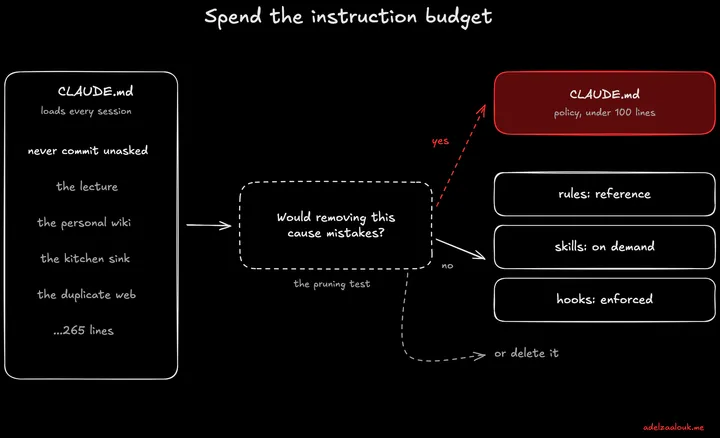
Every always-loaded instruction competes for the model's attention. Keep only lines whose removal would cause mistakes; move everything else to where it loads when needed.
Thinkprint #23
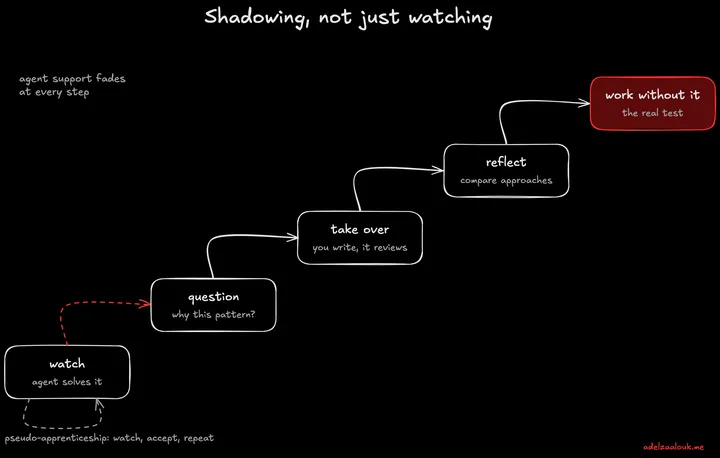
Watching an agent code teaches you only if you move past watching: question its choices, take over gradually, then work without it.
Thinkprint #22
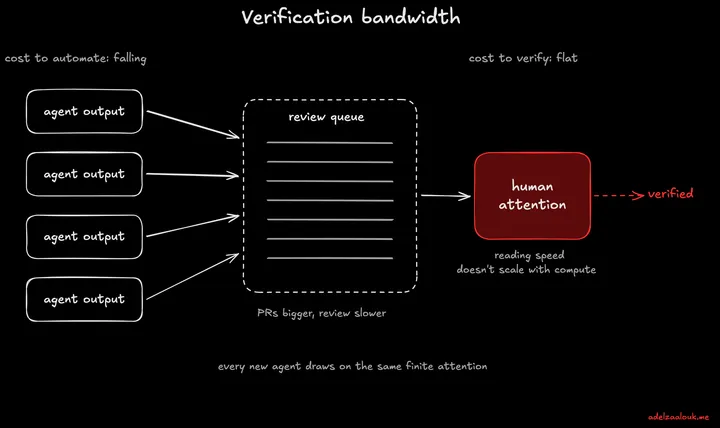
The cost to automate falls fast; the cost to verify stays bounded by human attention. The binding constraint is no longer intelligence, it is verification bandwidth.
Thinkprint #21
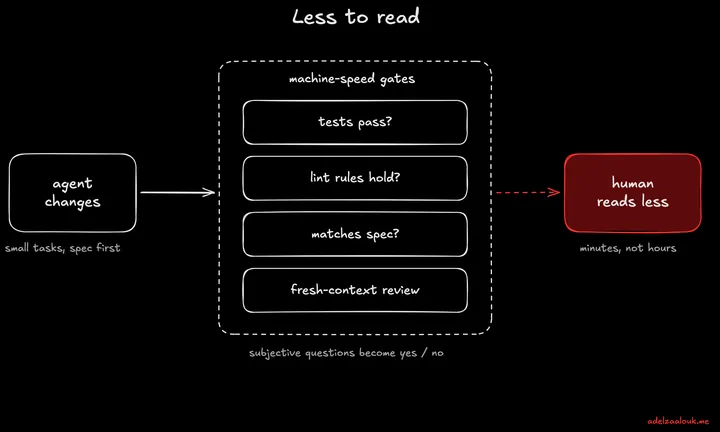
You can't make humans read faster. Make verification cheaper by restructuring the work so there is less for them to read.
Thinkprint #20
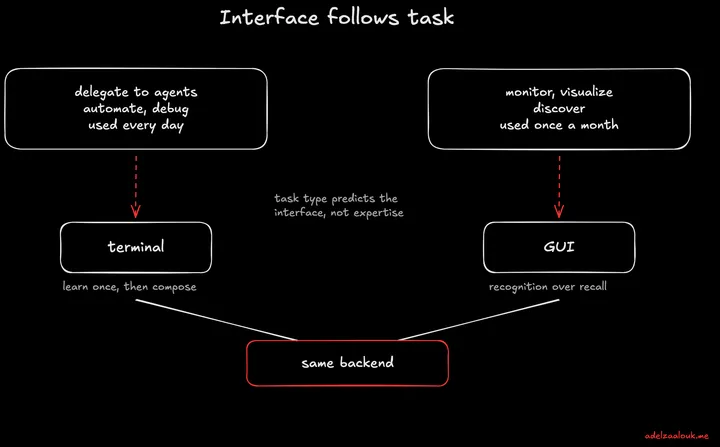
The split is not CLI people versus GUI people. Task type predicts the interface: terminal for delegation and repeated work, GUI for visualization and occasional use.
Thinkprint #19
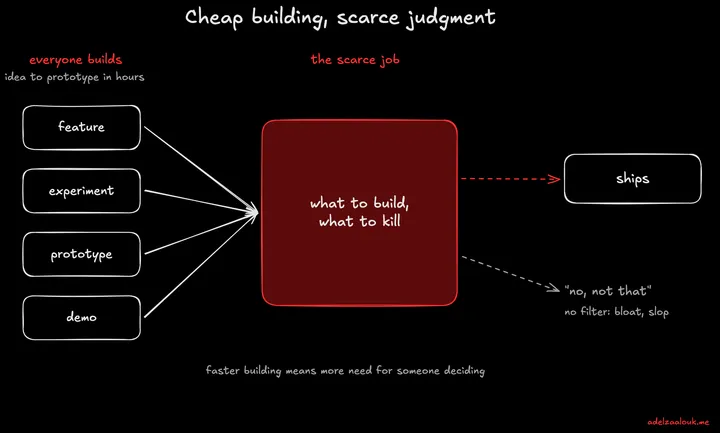
When AI makes building cheap, more things get shipped, so the person who decides what not to build matters more, not less.
Thinkprint #18
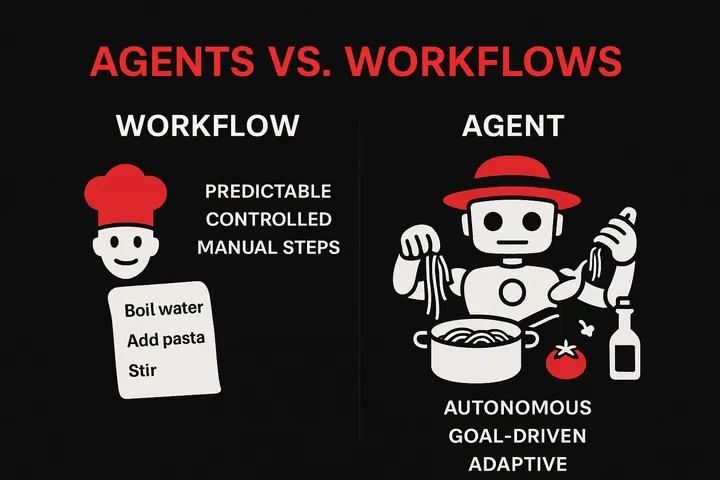
A workflow is a recipe you hand the AI; an agent is a goal you hand the AI. The difference is who decides the steps.
Thinkprint #17
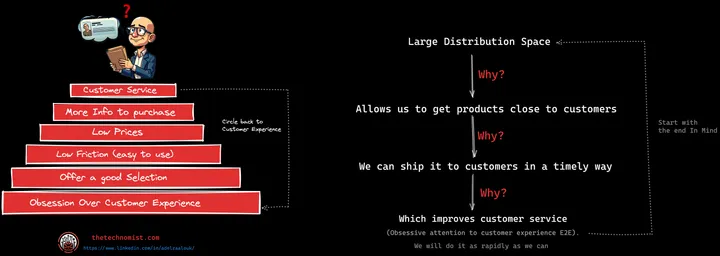
Obsess over the customer experience; technology like the internet or AI is a means to that end, never the product itself.
Thinkprint #16
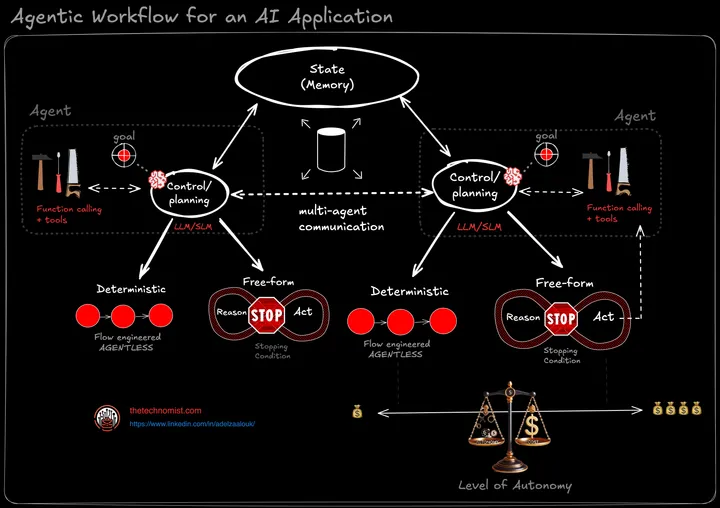
Each agent pairs an LLM planner with a goal and tools, then runs either a deterministic flow or a free-form reason-act loop. More autonomy costs more.
Thinkprint #15
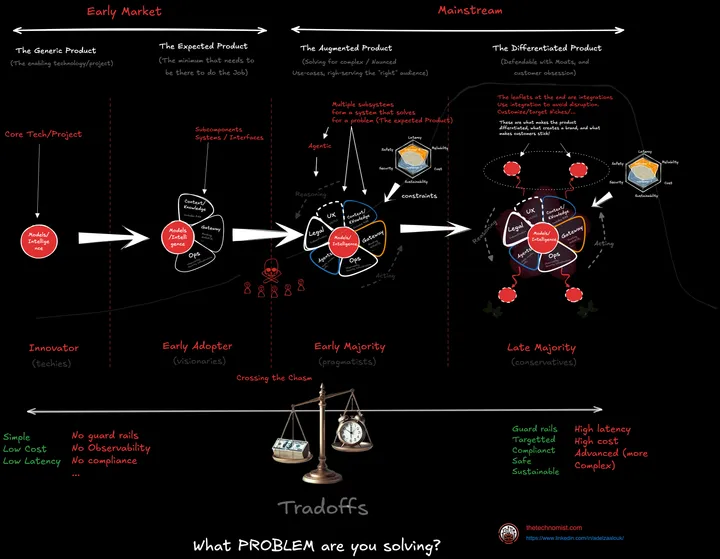
A model alone only wins innovators; each step from generic to expected, augmented and differentiated product wins the next customer segment, and costs more.
Thinkprint #14
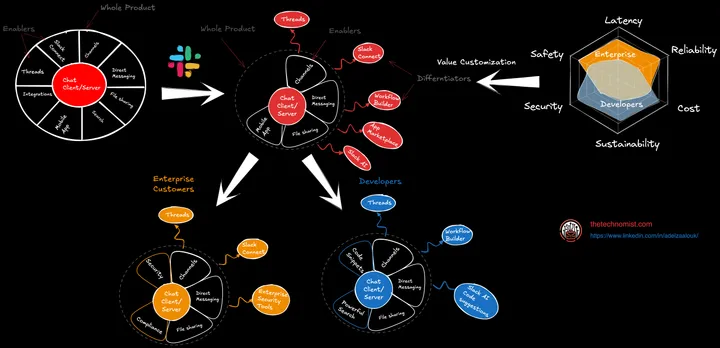
The same core product becomes a different whole product for each customer segment, because each segment's constraints decide which enablers and differentiators matter.
Thinkprint #13
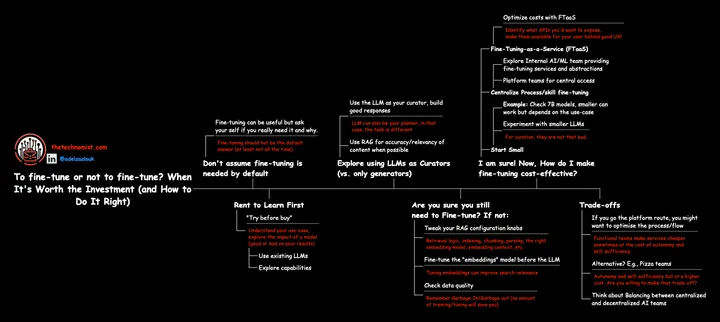
Fine-tuning should not be the default answer. Rent to learn first, try RAG and smaller fixes, and only then make fine-tuning cost-effective.
Thinkprint #12
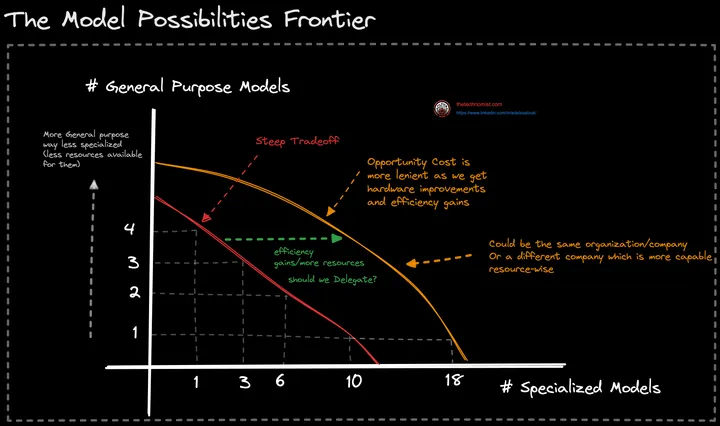
Resources are finite: every general-purpose model you build costs you specialized models you could have built. Pick your point on the frontier.
Thinkprint #11
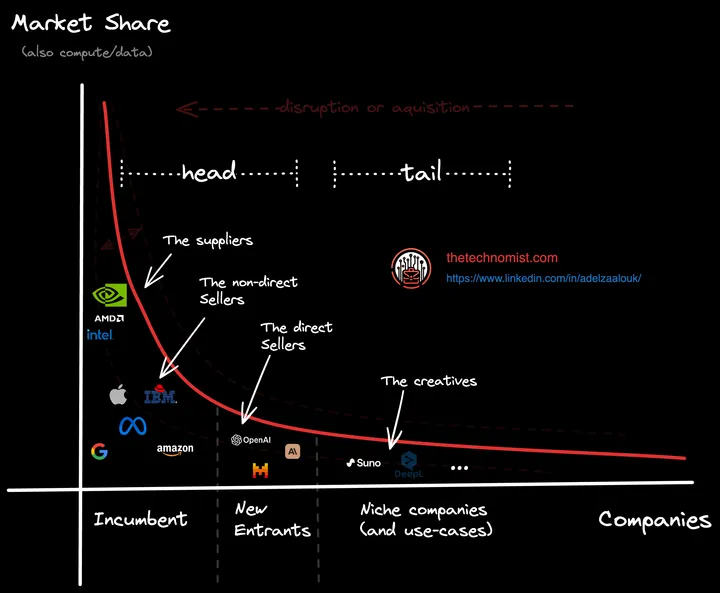
The AI market follows a power law: a few incumbents at the head hold most of the share, compute and data, and a long tail of niche companies holds the rest.
Thinkprint #10
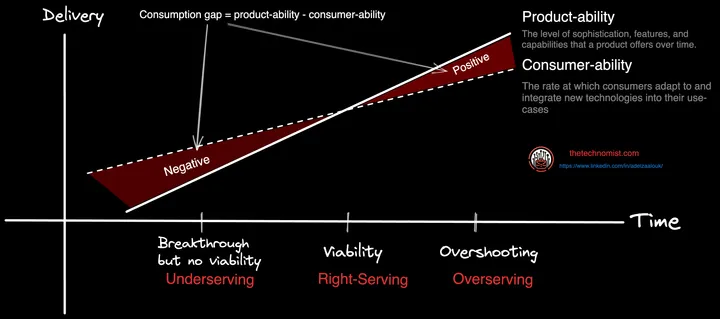
Ship ahead of what users can absorb and you overserve; promise more than you deliver and you underserve. Value lives where the two lines meet.
Thinkprint #9
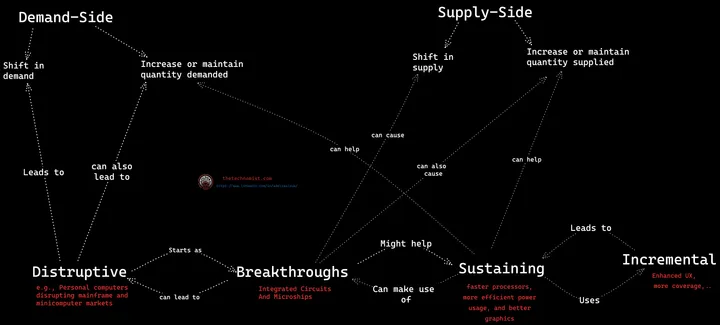
Breakthroughs move supply, disruptive innovations move demand, and sustaining innovations keep both going through incremental improvements.
Thinkprint #8
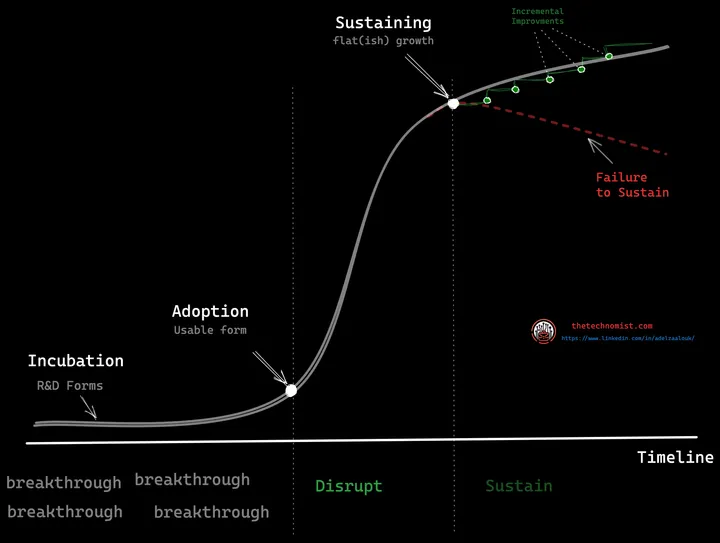
Breakthroughs sit flat for years, take off once someone makes them usable, then flatten again; staying on top means sustaining or starting the next curve.
Thinkprint #7
Deep in the details you lose sight of why you are building; you need a totem, someone or something outside the weeds, to pull you out.
Thinkprint #6
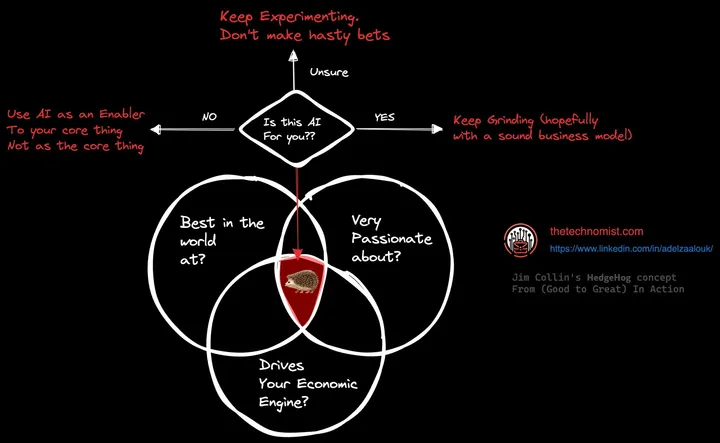
Use AI to strengthen what you are already best at, not to replace it: experiment widely, and commit only where AI fits your hedgehog.
Thinkprint #5
Today we talk to LLMs like to a child, in simple low-context text; as models grow up, they should grasp more intent with fewer words.
Thinkprint #4
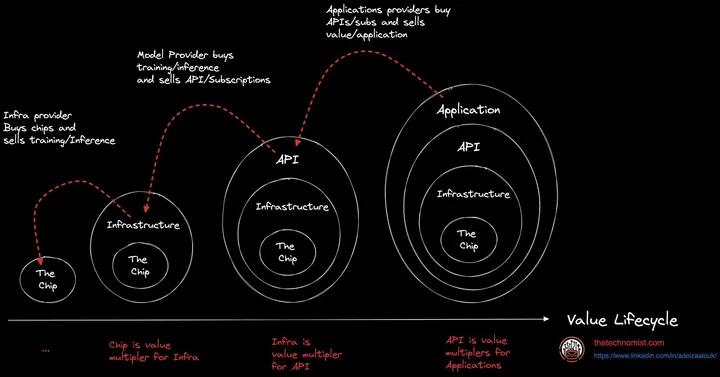
From silicon to software, each layer of the AI stack adds value by building on the raw material of the layer below, and each layer multiplies the one beneath it.
Thinkprint #3
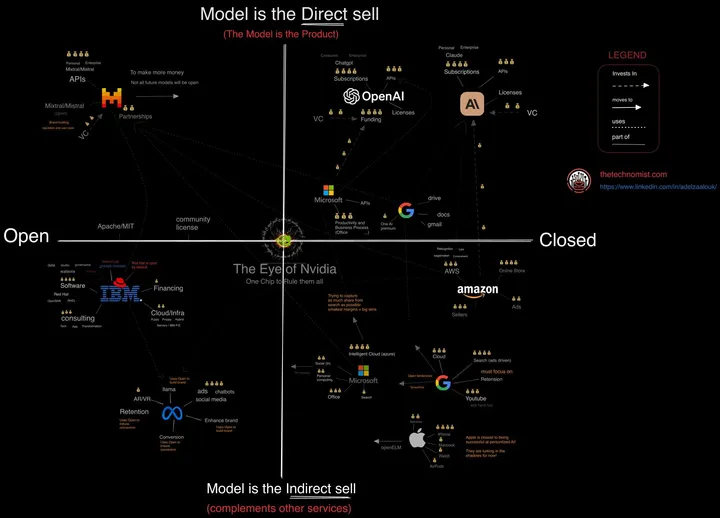
Place any AI company on two axes: how open its models are, and whether the model is the product or a complement to other services.
Thinkprint #2
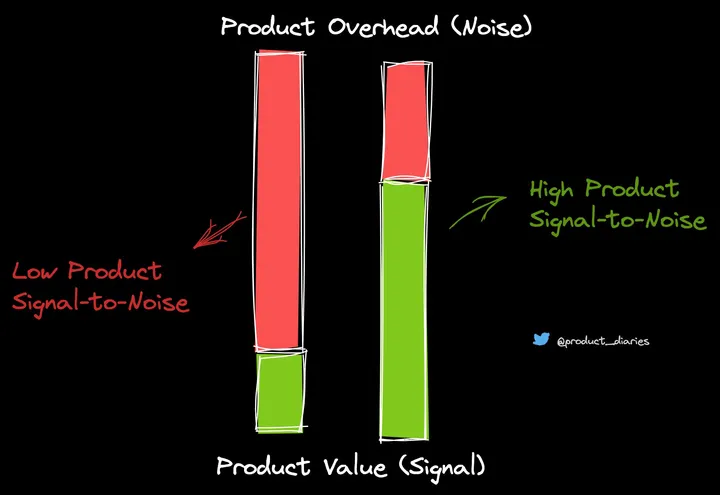
Every product is part value (signal) and part overhead (noise); what users feel is the ratio between the two.
Thinkprint #1
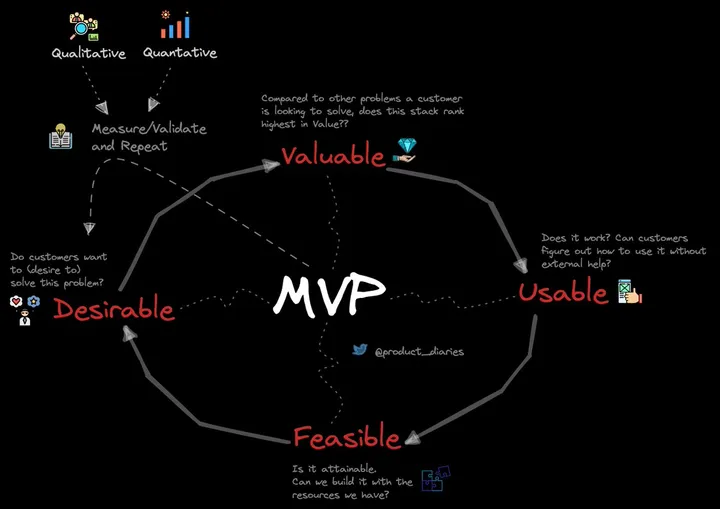
An MVP validates a concept with the most learning for the least effort. It must be desirable, valuable, usable and feasible, and built to be measured.